
NuvinkaDx Announces Major Milestones for Portfolio Companies GeneProof and ALPC

July 22, 2025 – Salem, NH – NuvinkaDx, a leading innovator in diagnostic solutions, today announced two significant product and regulatory milestones from its operating companies, GeneProof and ALPCO.


GeneProof, a molecular diagnostics company known for its broad portfolio of IVDD and IVDR assays, has officially launched a line of Sexually Transmitted Infection (STI) PCR assays on its myCROBE™ platform in Europe. Designed for sample-to-answer automation and ease-of-use, myCROBE now enables simultaneous detection of key STI pathogens Chlamydia trachomatis, Neisseria gonorrhoeae, Mycoplasma hominis, and Mycoplasma genitalium. GeneProof will continue to expand its STI menu with Trichomonas vaginalis, Gardnerella vaginalis, and Ureaplasma urealyticum/parvum coming soon.


These launches build on GeneProof’s earlier 2025 announcement of an improved extraction kit for the myCROBE platform, significantly improving sample preparation efficiency and overall assay performance.


In parallel, ALPCO, a specialty immunoassay solutions provider, has obtained Health Canada licenses for gastrointestinal (GI) diagnostics on its flash chemiluminescent KleeYa® platform. These include the flash chemiluminescent (CLIA) KleeYa® platform, a Calprotectin CLIA, and a Pancreatic Elastase CLIA assay, enabling Canadian clinical labs to access high-sensitivity, automated tools to aid in the diagnosis of inflammatory bowel disease and exocrine pancreatic insufficiency (EPI).


“These dual milestones reflect the strength of NuvinkaDx’s diversified diagnostics strategy,” said Erik Allen, CEO of NuvinkaDx. “GeneProof’s expansion into STIs with the myCROBE platform in Europe and ALPCO’s regulatory progress in Canada with KleeYa are both aligned with our global mission to improve clinical outcomes through accessible, high-performance testing solutions.”


NuvinkaDx will continue to invest in automated solutions in gastrointestinal and infectious disease to meet the evolving needs of laboratories, clinicians, and patients around the world.


For more information, please visit www.nuvinkadx.com.


About NuvinkaDx

ALPCO was founded in 1991 as an importer and distributor of immunoassay-based products for the North American life science markets. The company has since evolved into a leading producer of novel immunodiagnostic reagents for specialty testing laboratories. In 2022, ALPCO merged with GeneProof, a Czech Republic-based provider of specialty molecular diagnostic solutions. Founded in 2005, GeneProof offers a portfolio of more than 50 IVDD and 6 IVDR PCR test kits for infectious diseases and genetic mutations, as well as a suite of proprietary instrumentation for clinical laboratories of all sizes. In 2024 the holdings company for both organizations rebranded to NuvinkaDx. For additional information, please visit www.alpco.com and www.geneproof.com.
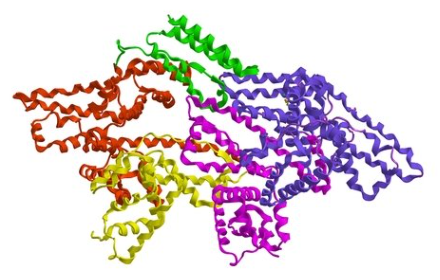
Acetylated BSA Bovine Serum


Acetylated BSA Bovine Serum


BSA acetylted Bovine Serum.

BSA, Acetylated is used as a carrier protein and a stabilizer in enzyme reactions which require absence of any contaminants such as nucleases and proteases. BSA acetylation process removes any traces of nuclease activity present in BSA. Acetylated BSA is frequently added to restriction enzyme digestion reactions. Other applications include use as a blocking agent in the preparation of cDNA glass array.

Key Features:

  • Available in both liquid and lyophilized forms.
  • Free from DNAses,RNases and proteases.
  • pH: 7.2 ± 0.2
  • Storage: BSA, Acetylated [10 mg/ml] should be stored at -20°C. BSA, Acetylated [Lyophilized] can be stored at 4°C. For long term storage store at -20°C
  • Available in multiple tube format for convenience
Cat # Product Name
A1300 BSA, Acetylated Lyophilized Powder
A1305 BSA, Acetylated Prepared Solution

Immunohistochemistry General Protocols

The protocols described below are for general application. Any product specific protocol supercedes these general recommendations.


Background

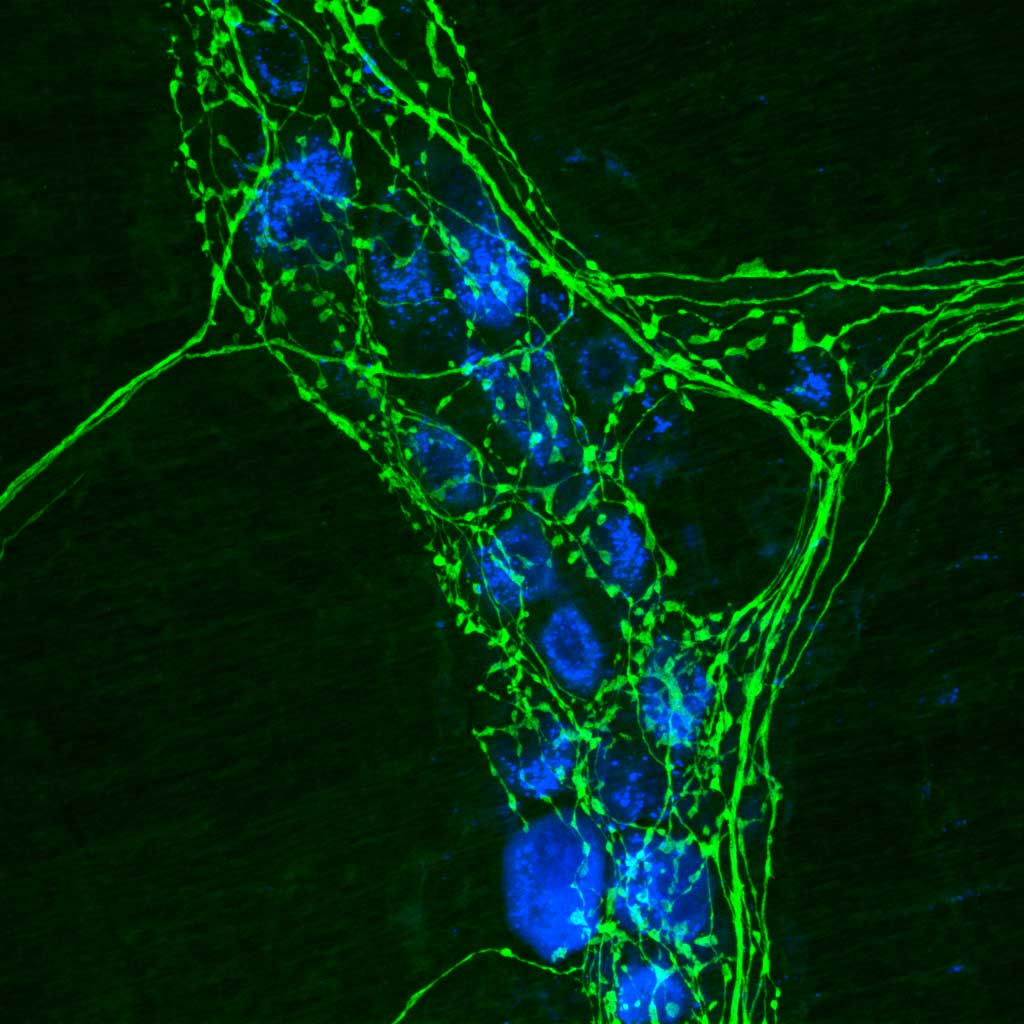
Immunohistochemistry is widely used in basic research to understand the distribution and localization of biomarkers and differentially expressed proteins in different parts of a biological tissue. IHC staining is also widely used in the diagnosis of abnormal cells such as those found in cancerous tumors. Visualizing an antibody-antigen interaction can be accomplished in a number of ways. In the most common instance, an antibody is conjugated to an enzyme or cofactor, such as biotin, horseradish peroxidase (HRP) or alkaline phosphatase (AP) that can catalyze a color-producing reaction. Alternatively, the antibody can also be tagged to a fluorophore. such as fluorescein (FITC) or R-Phycoerythrin (PE) (see Immunofluorescence).

With the use of a conjugated primary antibody, direct IHC can be performed, but this method is seldom used because of the amplifying effect available with the use of a conjugated secondary antibody. The choice of secondary antibody for Immunohistochemistry is similar to that of ELISA and Western Blot. The conjugated secondary is directed specifically at the host species of the primary antibody and its specific isotype (e.g., mouse IgG1, goat IgM, rabbit IgG1,k, chicken IgY, etc.). In addition, if working with tissues or cells that have Fc receptors (thymus, spleen, blood, hematopoietic cells, leukocytes, B cells, etc.), it is best to choose an F(ab’)2 fragment to eliminate non-specific binding through Fc receptors present on cells. As an alternative, binding of IgG whole molecule secondary antibodies to Fc receptors may be blocked by incubating cells in purified normal serum from the host species of the secondary antibody.

Immunohistochemistry (Fresh Frozen Sections)

Materials Required
  • Acetone
  • Ethanol, anhydrous denatured, histological grade (100% and 95%)
  • dH2O
  • Hematotoxylin
  • Xylene
  • 10X TBS: To prepare 1 liter of 10X TBS: 24.2g Tris base, 80g sodium chloride; adjust pH to 7.6 with HCl (use at 1X).
  • Wash Buffer TBS/T: 1X TBS, 0.1% Tween-20: To prepare 1 liter add 100ml of 10x TBS to 900ml ddH2O. Add 1ml Tween 20 and mix.
  • 10mM Sodium Citrate Buffer: To prepare 1 liter, add 2.94g sodium citrate to 1 liter dH2O. Adjust pH to 6.0.
  • 3% Hydrogen Peroxide: To prepare, add 10ml 30% H2O2 to 90ml dH2O.
  • Blocking Solution: 5% horse serum or goat serum in TBS
  • ABC Reagent: Prepare according to manufacturer’s instructions 30 minutes before use.
  • DAB Reagent: Prepare according to manufacturer’s recommendations.
Tissue Preparation:
    1. Snap-freeze small tissue blocks (5x5x3mm) in liquid nitrogen.
    2. Transfer to cryostat, cut into thin (5–30um) sections, and transfer sections to positively charged slides (poly-L-lysine coated).
    3. Dry the slides at RT (or 1-2 hours until completely dry if performing staining on the same day). Note: Thorough drying is required for proper adhesion to the slides.
Fixation methods
  1. A variety of fixation methods are available. Follow the specific methods mentioned in the product datasheet, or find the optimal method for your sample.
    • Cold acetone: 10 minutes at -20°C. Air dry
    • Methanol: 10 minutes at -20°C
    • 10% Neutral buffered formalin: 10 minutes at RT
    • 3% Formaldehyde: 15 minutes at RT
    • 3% Formaldehyde/methanol: 15 minutes at RT, followed by 5 minutes in methanol at -20°C (do not rinse in between)
  2. Wash slides 3 times, 5 min each in PBS, pH 7.4 containing 1% Tween 20.
Fixed, Frozen Tissue Sections
  1. Perfuse tissue with fixative or immerse tissue in fixative for a set time period. 4% paraformaldehyde is the most commonly used fixative.
  2. Immerse the tissue in cyroprotectant solution containing 10-30% sucrose in PBS. Cryoprotection is complete when the tissue no longer floats in the solution.
  3. Remove tissue from the cyroprotectant solution and store at -70°C until sectioned.
  4. Remove tissue from the -70°C freezer and equilibrate at -20°C for about 15 minutes before attempting to section. Equilibration helps prevent cracking of the block when sectioning.
  5. Using a cryostat, prepare 10-15um sections that can be collected directly onto slides. Usually 3 sections can be placed per slide; spaced well apart.
  6. Thoroughly dry sections on slides. Drying can be accomplished by air drying or by using a slide warmer, usually overnight, or at least 2-3 hours at 40-50°C.
  7. Prepared slides can be stored dry at -70°C until stained. Equilibrate to room temperature and briefly re-dry prior to rehydration and staining.
Paraffin-Embedded Sections
    1. Deparaffinize and hydrate sections
      • Xylene 2-3 changes, 5 minutes each
      • 100% absolute ethanol: 2 changes, 3 minutes each
      • 95% ethanol: 2 changes, 3 minutes each
      • 80% ethanol: 3 minutes
      • 50% ethanol: 3 minutes
      • Distilled water, PBS, or Tris buffer: 2 changes, 3 minutes each.

Note: Once the tissue sections have been rehydrated, do not allow them to dry. Dry the slide around the tissue section with an absorbent wipe. Using a diamond pencil, china marking pencil or fingernail polish, draw a circle on the microscope slide around the section. This circle will help retain solution on the section during subsequent incubations with reagents.

  1. Perform antigen retrieval if required. (For antigen retrieval methods see Section V. HIER (heat-induced epitope retrieval) using citrate buffer is a commonly used method.
  2. Block endogenous peroxidase (if required) by immersing slides into 0.3-3% H2O2 and 100% methanol for 10-30 minutes at RT.
  3. Wash sections in distilled water, 2 changes for 5 minutes each.
Immunostaining
Blocking
    1. Incubate sections with 3-10% normal serum from the same species as the secondary antibody, for 30 minutes to block non-specific binding of immunoglobulin.
    2. Remove blocking solution.
Primary Antibody Incubation

(All steps should be performed in a moist environment.)

    1. Dilute the primary antibody in blocking solution. If no dilution is suggested, begin testing at 1:10, 1:100 and 1:1000.
    2. Incubation overnight at 4°C.
    3. Remove antibody solution. Wash 3 x 5 minutes in PBS, pH 7.4.
    4. If the primary antibody is HRP-conjugated, proceed to Color Development.
Secondary Antibody Incubation
    1. Dilute the biotin-conjugated secondary antibody in blocking solution according to the recommended dilution. Incubate 30-60 minutes at RT.
    2. Removed secondary antibody solution. Wash slides 3 x 5 minutes in wash buffer.
Color Development
    1. Add streptavidin-horseradish peroxidase reagent to each section and incubate for 30 min. at RT.
    2. Remove ABC reagent. Wash sections 3x in wash buffer for 5 min. each.
    3. Apply the DAB solution to cover the sections completely in a moist environment. Incubate for 5-15 minutes at RT. Alternatively, observe the slide under a microscope to determine optimal color intensity of the insoluble precipitate.
    4. As soon as color develops, stop the reaction by gently flushing with dH2O.
    5. Counterstain tissue as desired with Hematoxylin & Eosin to define antigen proximity to normally expected structures.
    6. Wash the slides with dH2O.
Dehydration and coverslip application
  1. Dehydrate the sample for storage using a series of methanol or ethanol graded concentrations: 50% (2x5min), 75% (2x5min), and finally 100% (2x5min).
  2. Repeat in xylene, incubating sections two times for 10 seconds each.
  3. Allow the slide to air dry.
  4. Mount coverslips

Antigen Retrieval

The visualization of many antigens can be significantly improved by pretreatment with antigen retrieval methods that break the protein cross-links formed by formalin fixation and thereby uncover hidden antigenic sites. Antigen retrieval techniques typically involve either the application of heat for varying lengths of time or the use enzymatic digestion by using proteases such as proteinase K, trypsin, or pepsin.

The heating methods typically utilize either a microwave oven, pressure cooker, steamer or water bath. Samples are heated for 20 minutes at close to 100°C, followed by cooling for an equivalent length of time. The most frequently used retrieval solutions are a) citrate buffer, pH 6.0, b) Tris-EDTA, pH 9.0 and c) EDTA, pH 8.0.

Antigen Retrieval using Citrate Buffer

Citrate buffer: 10mM sodium citrate, 0.05% Tween-20, pH 6.0 or 10mM citric acid, 0.05% Tween-20, pH 6.0

  1. Pre-heat steamer or water bath with staining dish containing Sodium Citrate Buffer or Citrate Buffer until temperature reaches 95-100°C.
  2. Immerse slides in the staining dish. Place the lid loosely on the staining dish and incubate for 20-40 minutes (optimal incubation time should be determined by user).
  3. Turn off steamer or water bath and remove the staining dish to room temperature and allow the slides to cool for 20 minutes.
  4. Rinse sections in TBS-Tween-20 for 2×2 min.
  5. Proceed to blocking step.

Troubleshooting


Problem: Weak or no staining

  1. Antibodies do not work due to improper storage: Aliquot antibodies into smaller volumes and store in freezer (-20°C) and avoid repeated freeze/thaw cycles; store antibodies according to manufacturer’s instructions.
  2. Antibody concentration was too low: Increase the concentration of primary and/or secondary antibodies. Or run a serial dilution test to determine the optimal dilution that gives the best signal to noise ratio.
  3. Inadequate antibody incubation time: Increase antibody incubation time.
  4. Inadequate or improper tissue fixation: Increase duration of postfixation or try different fixatives.
  5. Incompatible secondary and primary antibodies: Use secondary antibody that will interact with primary antibody. For example, if primary antibodies are raised from rabbits, use anti-rabbit secondary antibodies.
  6. Inactive secondary antibody: Replace with a new batch of antibody.
  7. Inactive streptavidin-horseradish peroxidase reagent: Replace with a new batch of reagents.
  8. Defective or incompatible enzyme substrate (DAB) system: Replace with a new batch of reagents.
  9. Inadequate substrate incubation time: Increase the substrate incubation time.
Problem: High Background

  1. Inadequate washing of sections. Wash at least 3x between steps.
  2. Tissue contains endogenous enzyme such as peroxidase or alkaline phosphatase. Block endogenous enzyme activities using 3% hydrogen peroxide (blocks peroxidase) in methanol or levamisole (blocks AP) prior to incubation with primary antibody
  3. Tissue contains endogenous biotin activity. Block endogenous biotin activity using the avidin-biotin blocking reagent prior to incubation with primary antibody.
  4. Mouse antibody used on mouse tissues. Treat tissue with mouse on mouse blocking reagent prior to the primary antibody incubation.
  5. Sections dried out. Avoid letting sections dry out.


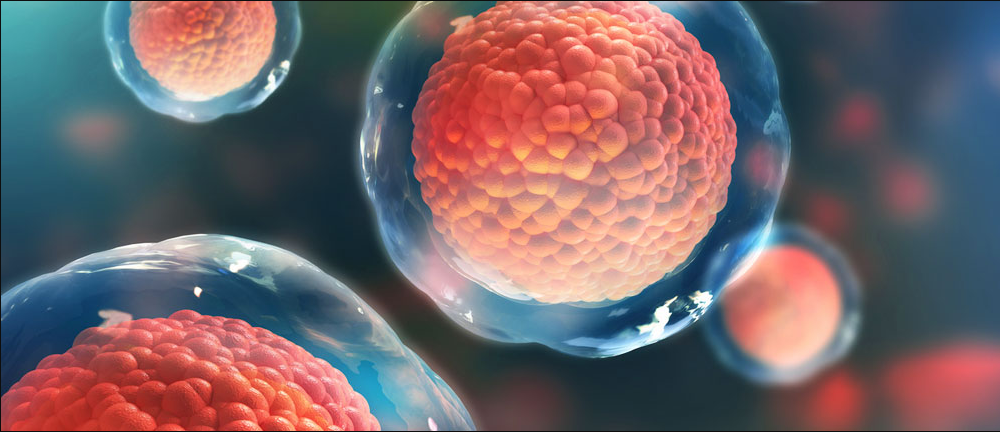
Cellule staminali pluripotenti, la nuova frontiera della ricerca

Le cellule staminali pluripotenti indotte: le staminali artificiali prodotte in laboratorio.

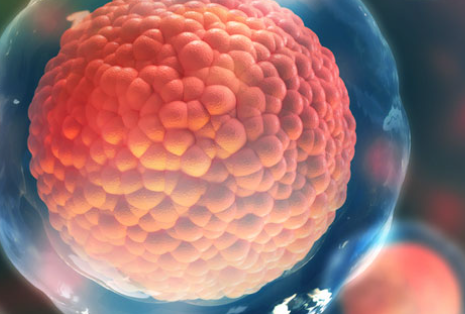
Nel 2006 la ricerca sulle cellule staminali ha fatto un improvviso salto di qualità: sono state generate le “induced Pluripotent Stem Cells” comunemente indicate con la sigla iPS. Al contrario delle cellule staminali adulte ed embrionali le iPS non esistono in natura, ma sono generate artificialmente in laboratorio.

In quell’anno, Shinya Yamanaka ha fatto una sensazionale scoperta che, solo sei anni più tardi, gli è valsa il premio Nobel  in fisiologia e medicina: ha scoperto un nuovo modo per ‘riprogrammare’ cellule specializzate adulte in cellule staminali. Queste cellule cresciute in laboratorio sono pluripotenti – ossia possono produrre ogni cellule del corpo- e vengono chiamate cellule staminali pluripotenti indotte, o cellule iPS. In natura solo le cellule staminali embrionali sono per natura pluripotenti. La scoperta di Yamanaka significa che, in teoria, ogni cellula del corpo capace di dividersi può ora essere trasformata in una cellula pluripotente.

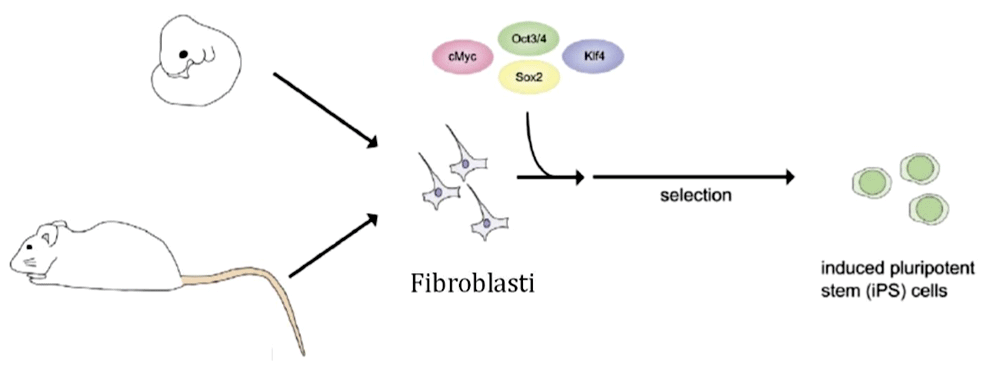
Si parte da una qualsiasi cellula, generalmente una cellula che si può isolare dalla cute, il fibroblasto, facile da raccogliere e da coltivare in vitro. Si inseriscono 4 geni – Oct3/4, Sox2, Klf4, c-Myc – detti anche “Yamanaka factors” dal nome del ricercatore giapponese che li ha scoperti e la cellula si trasforma in una cellula staminale pluripotente sostanzialmente identica ad una cellule staminale embrionale.

L’inserimento forzato dei quattro geni denominati “Yamanaka factors” trasforma cellule adulte differenziate, come i fibroblasti che troviamo nella pelle, in cellule pluripotenti chiamate iPS.

Come le cellule staminali pluripotenti derivate da un embrione le iPS si propagano facilmente e indefinitamente in vitro e possono dare origine a tutti quei famosi 200 tipi cellulari che formano il nostro corpo. Rispetto alle staminali embrionali le iPS hanno anche il vantaggio di non indurre una reazione di rigetto se vengono trapiantate nello stesso paziente da cui sono state ottenute. Infatti, le cellule staminali embrionali sono inevitabilmente eterologhe, cioè derivate da un individuo diverso dal paziente a cui sono destinate e quindi, come avviene per i trapianti d’organo, è necessario deprimere il sistema immunitario per evitare qualsiasi reazione avversa.

Le cellule staminali pluripotenti sono una fonte rinnovabile di cellule che hanno il potenziale per riparare i tessuti danneggiati o curare malattie degenerative. Hanno il potenziale per curare una miriade di patologie, tra cui cancro, diabete, disturbi ematologici e malattie cardiovascolari, infiammatorie e neurodegenerative. Fino ad ora il sistema immunitario è stato un ostacolo importante per le terapie con cellule staminali o il trapianto di organi. Di solito, si utilizzavano farmaci in grado di sopprimere l’attività immunitaria per ridurre il rischio di rigetto. Tuttavia, l’uso di immunosoppressori poteva causare effetti collaterali negativi per i pazienti.

In un recente rapporto, alcuni ricercatori hanno progettato cellule staminali pluripotenti geneticamente modificate che utilizzano l’editing del gene CRISPR-Cas9 per creare cellule invisibili al sistema immunitario. Cellule staminali di nuova alterazione con due geni complessi di istocompatibilità eliminati (MHC di classe I e II) e sovraespressione della proteina CD47 non hanno innescato una risposta immunitaria. Inoltre, le cellule staminali pluripotenti erano specializzate come diversi tipi di cellule cardiache che formavano vasi sanguigni e tessuto muscolare cardiaco in topi umanizzati. Questo suggerisce una soluzione per il rifiuto ed è un passo avanti nel campo della ricerca sulle cellule staminali. Sono necessarie ulteriori ricerche per vedere se questa tecnica potrebbe essere utilizzata nei pazienti senza la necessità di un approccio di trattamento individualizzato.


Enzo Life Sciences offre una gamma di prodotti per tutte le esigenze di ricerca relative alle cellule staminali. Scopri la libreria di cellule staminali SCREEN-WELL® contenente 130 composti, standard essenziale per lo screening delle vie di regolazione e segnalazione delle cellule staminali.


Rabbit recombinant genetically engineered antibody

Rabbit recombinant genetically engineered antibody (Rabbit Recombinant Monoclonal Antibodies, RmAbs) Combining the unique advantages of rabbit immune system and modern genetic engineering technology, it has multiple advantages:

1. High affinity – The immune system of rabbits can produce high affinity antibodies, typically 10 to 100 times more affinity than antibodies produced by mice and other rodents. This makes rabbit recombinant antibodies particularly effective in detecting low abundance targets.

2. Wide antigen recognition ability – Rabbits have a larger B-cell response pool, which means they can produce more diverse antibodies and recognize a wider range of epitopes. Even antigens that are not immunogenic in mice may produce effective antibodies in rabbits.

3. Higher specificity – Due to the larger and more diverse B-cell response library of rabbits, rabbit recombinant antibodies have an advantage in distinguishing subtle differences such as epitope variations, mutations, and conformational changes. This high specificity reduces the possibility of non-specific binding.

4. Consistency and repeatability – Recombinant technology ensures batch to batch consistency in antibody production. By cloning antibody genes into expression vectors and producing them under controlled cell culture conditions, issues such as drift or gene loss in hybridoma cell lines can be avoided.

5. Stability – Rabbit IgG has fewer amino acids in the N-terminus and D-E loop, and additional disulfide bonds in the variable region of the heavy chain. These structural features make rabbit recombinant antibodies more stable and suitable for long-term storage and use.

6. Multi functional applications – Rabbit recombinant antibodies are suitable for various biological research and clinical applications, including but not limited to:

-Immunohistochemistry (IHC): Used for protein localization in tissue sections.

– Western Blot (WB): Used to detect the presence and molecular weight of proteins.

– Flow cytometry (FCM): used for the analysis of cell surface markers.

– ELISA: Used for quantitative determination of specific antigens.

– Research and development of therapeutic antibodies

7. No animal source – recombinant antibodies can be produced in vitro expression systems, avoiding the need for experimental animals and reducing potential contamination risks.

8. Rapid screening and optimization – Through high-throughput screening methods such as phage display technology, the best antibody clones can be quickly screened. In addition, genetic engineering technology allows for further modification and optimization of antibodies to meet specific application requirements.

Immunoway rabbit recombinant genetic engineering antibody It has the advantages of high affinity, high specificity, consistency, and stability, and is a powerful tool for scientific research.

Join us to learn more about discount information

Join over 60000 subscribers to receive new discount coupons.


    Company address

    9066 Green Lake Drive Chevy Chase, MD 20815

    Contact Us

    (1800)-88-66-990

    contact@example.com

    Our payment method :

    Copyright © 2025 Biosupplychain Copyright

    X
    Add to cart